





Real estate has long been associated with rental income, property ownership, and long-term wealth creation. However, purchasing an entire rental property, commercial building, or hotel often requires substantial capital, financing arrangements, and ongoing management responsibilities. These requirements can make traditional ownership difficult for individuals who want access to real estate without managing a property themselves.
This raises an important question: Is real estate crowdfunding a good investment? The answer depends on the property's financial performance, ownership structure, management arrangements, and an individual's long-term goals. Real estate crowdfunding can provide access to income-producing properties with smaller financial commitments than direct ownership, but income and property appreciation are not guaranteed.
Platforms such as Vairt offer a professionally managed fractional ownership approach, allowing eligible participants to explore selected U.S. real estate opportunities starting from $25,000.
Interested in Professionally Managed Real Estate Opportunities? Schedule a 15-minute meeting with Vairt to discuss fractional ownership and U.S. property opportunities starting at $25,000.
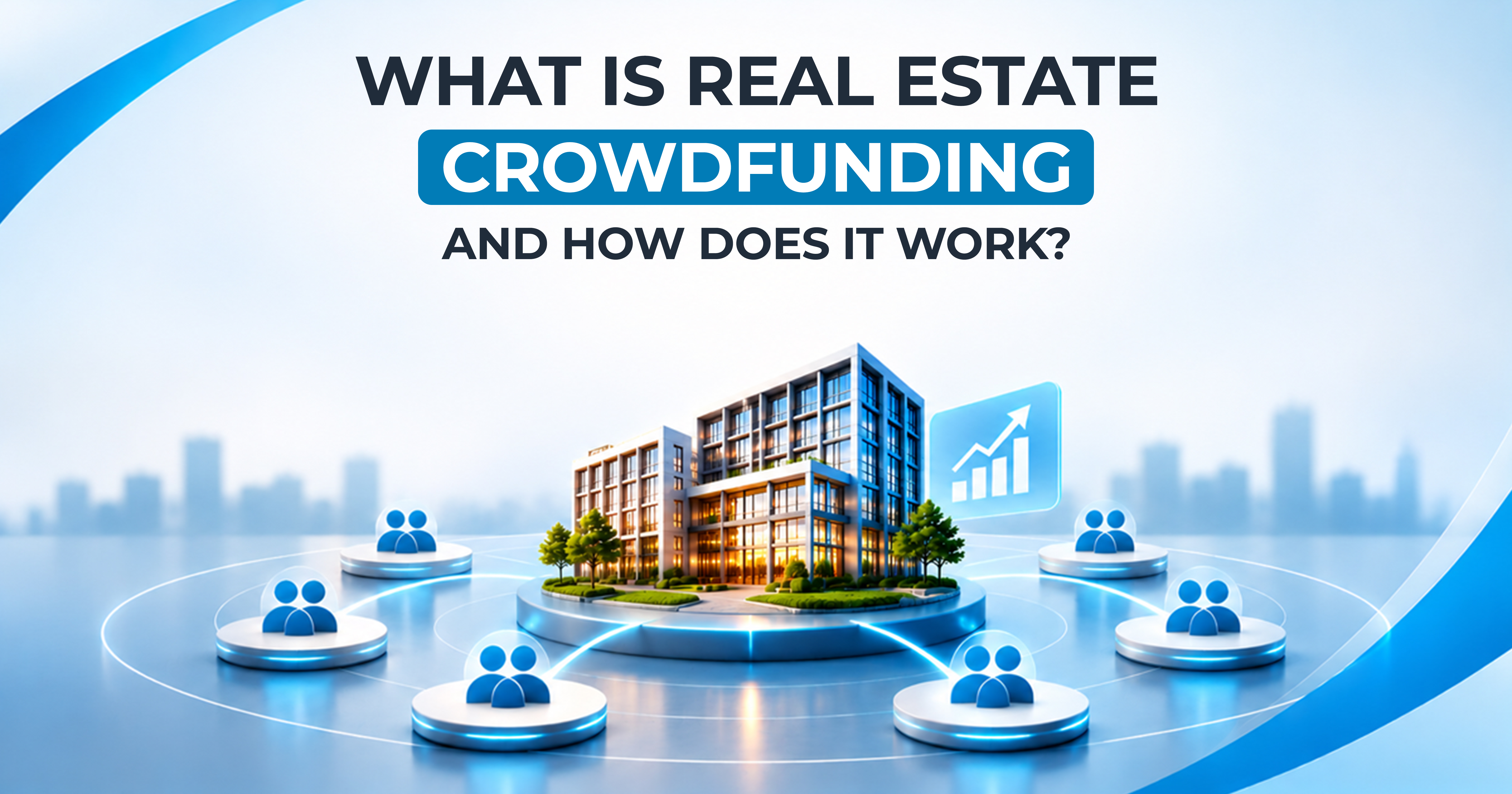
Real estate crowdfunding is a method of raising capital from multiple participants to support the acquisition, development, or operation of a property. Rather than relying on one owner to provide the entire amount, a property opportunity brings together contributions from several participants.
Depending on the arrangement, participants may receive equity ownership interests, contractual rights to income, or other financial interests associated with the property.
Fractional ownership is one model within this broader category. It allows participants to hold proportional interests in a specific property through an established legal structure.
A typical process begins with property identification and financial evaluation. Participants then review the opportunity, consider its financial projections, and examine the ownership documents before making a decision.
For a clearer understanding of these arrangements, Vairt's guide to commercial property crowdfunding explains how shared participation can provide access to commercial real estate.
Real estate crowdfunding can be a reasonable option for beginners who understand the ownership structure, have appropriate financial resources, and are comfortable with a longer holding period.
One of its main attractions is that participants do not necessarily need to purchase an entire property. This makes certain real estate categories accessible through a smaller individual contribution.
However, beginners should look beyond projected income figures. The property's location, operating performance, management experience, expenses, and available exit arrangements all influence the ownership experience.
A professionally managed platform can simplify operational responsibilities, but participants still need to evaluate the underlying property and understand their contractual rights.
Those exploring real estate for the first time may benefit from reading about partial property ownership before choosing a specific opportunity.
New to Fractional Real Estate Ownership? Schedule a 15-minute meeting with Vairt to understand the ownership structure, property evaluation process, and available opportunities for eligible participants.
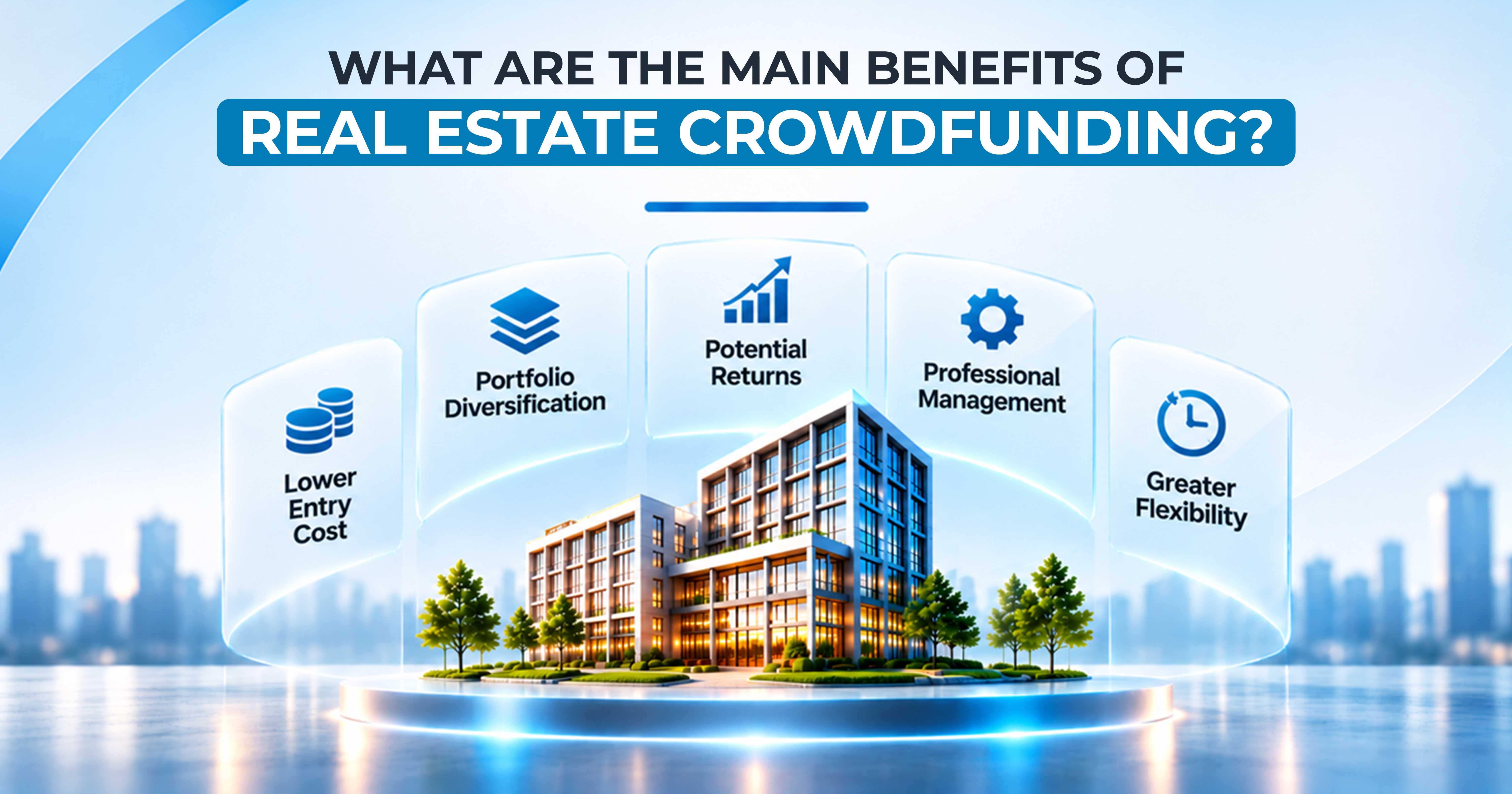
One important benefit of real estate crowdfunding is access to properties that may otherwise require substantial financial resources. Commercial buildings, hospitality facilities, and large residential communities often demand significant capital and specialized management knowledge.
Crowdfunding structures can allow eligible participants to gain exposure to these assets without independently arranging the entire purchase.
Another potential benefit is rental income. Income-producing properties can generate revenue through tenant payments, hotel bookings, parking operations, or other commercial activities. After operating expenses and reserves, available funds may be distributed according to the ownership agreements.
Professional property management also offers convenience. Instead of personally supervising repairs, staffing, and occupancy, participants can rely on designated operating teams.
Real estate crowdfunding may additionally provide exposure to different property categories and locations. However, diversification depends on the number and characteristics of properties held, rather than simply participating through a crowdfunding platform.
Looking for Access to Professionally Managed Commercial Properties? Schedule a 15-minute meeting with Vairt to discuss fractional ownership, potential income opportunities, and different property categories.
The most important considerations include changes in property income, operating expenses, market conditions, and the length of time ownership interests may need to be held.
For example, hotels depend partly on occupancy and room demand, while office buildings depend on commercial leasing conditions. Changes in these factors can influence the income available for distribution.
Property improvements and development projects introduce additional considerations because renovation expenses, construction schedules, and occupancy targets may change.
Liquidity is another important factor. Liquidity means how easily an asset can be converted into cash. Unlike publicly traded assets, private real estate ownership interests may not have an active resale market.
The U.S. Securities and Exchange Commission provides educational information about crowdfunding through Investor.gov, including the importance of understanding offering documents and resale limitations. The specific rules applicable to any real estate offering depend on its legal structure.
These considerations do not mean crowdfunding should automatically be avoided. They help participants make informed choices based on property-specific information and personal financial goals.
Vairt offers a structured fractional ownership model focused on professionally managed U.S. properties.
The platform identifies potential properties, evaluates their financial and operational characteristics, and presents opportunities for eligible participants to review.
Vairt describes a proprietary 100-point property screening framework supported by third-party valuation professionals. Its property review process also includes evaluating property sponsors, examining financial assumptions, and reviewing relevant documentation.
After applicable funding and closing conditions are completed, property ownership is organized through a property-specific limited liability company, or LLC.
Under Vairt's described structure, the LLC holds the property while participants receive proportional ownership interests based on their contributions and the governing agreements.
The platform's How It Works guide explains how participants can explore properties, review opportunities, and monitor their ownership interests.
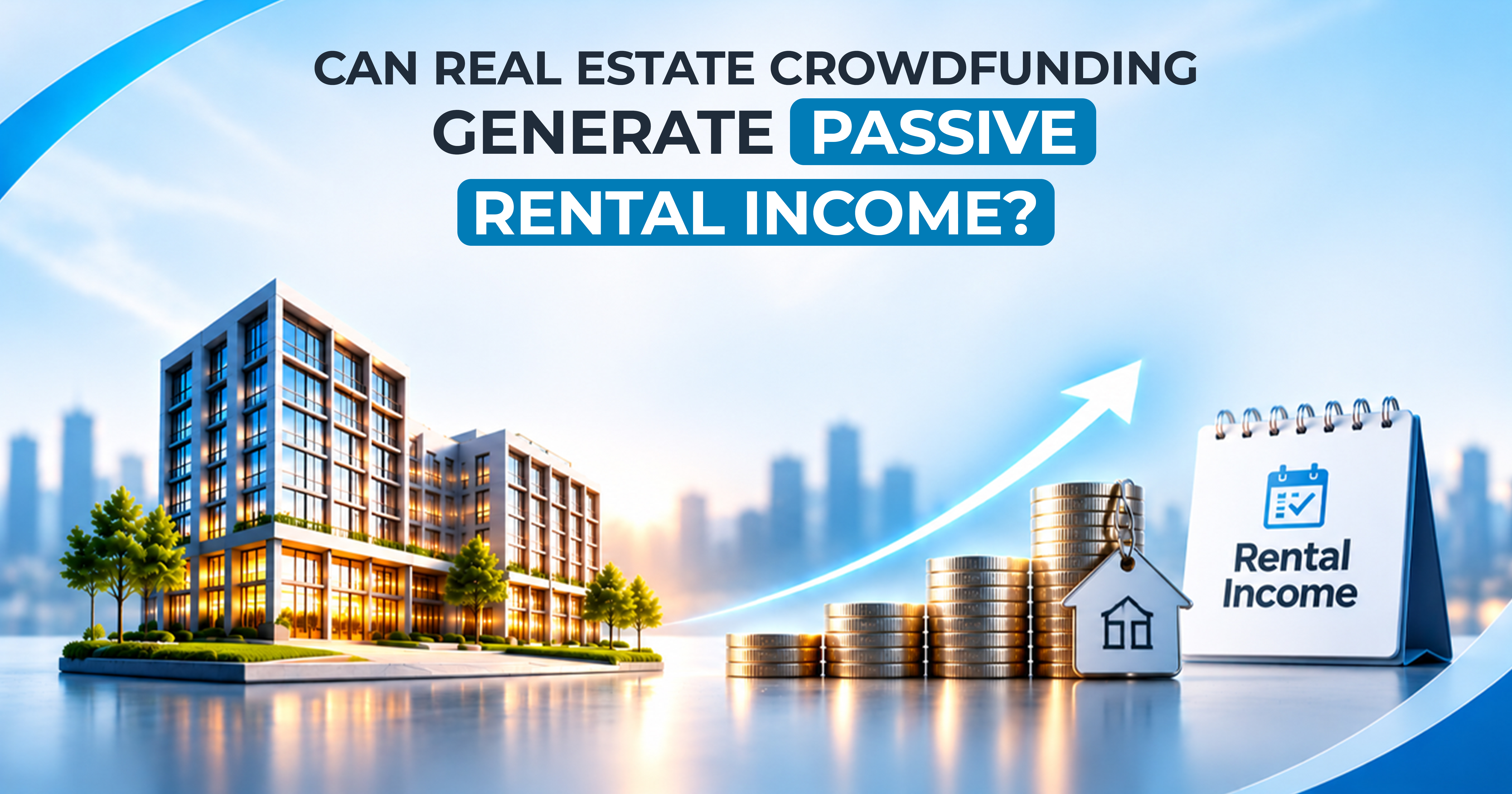
Real estate crowdfunding can generate potential passive rental income when an underlying property produces revenue that exceeds its applicable expenses and reserves.
A hotel may generate revenue through guest reservations and hospitality services. Commercial buildings can receive income from office leases, while parking facilities may earn revenue from vehicle parking arrangements.
Before any distribution, the property must account for operating costs, maintenance expenses, management fees, and other financial obligations.
Vairt describes monthly income distribution arrangements for eligible properties, with owners able to monitor their holdings through its digital platform.
Passive ownership means participants are not personally responsible for daily property operations. It does not mean property performance remains constant or that monthly distributions are assured.
Readers can explore how these income sources work in Vairt's article on commercial real estate passive income.
Vairt provides access to specific U.S. real estate opportunities, including hospitality and commercial properties.
The Four Points by Sheraton hotel in Downtown Peoria is a 323-room, full-service Marriott-branded property located at 500 Hamilton Boulevard in Peoria, Illinois.
The hotel completed an approximately $40 million renovation in 2020 and serves a downtown market associated with corporate travel and event-related demand.
Vairt lists projected annual rental income of 7%–9% during years one through five, with potential monthly distributions. Actual results depend on hotel performance, occupancy, expenses, and applicable ownership terms.
Another example is Vairt's Commercial Office & Parking opportunity at 222 Northeast Monroe Street in Downtown Peoria.
The property includes approximately 272,876 square feet, combining about 68,360 square feet of office space with a seven-story parking structure containing roughly 552 spaces.
Its income model involves commercial leasing and parking operations.
Vairt lists projected annual rental income of 8%–10% during years one through five, with potential monthly distributions subject to property performance.
These examples demonstrate how shared ownership can provide access to hospitality and commercial real estate without requiring participants to purchase entire properties independently.
You want access to income-producing U.S. properties but need help understanding ownership structures, property performance, and eligibility.
Schedule a free 15-minute call to request a conversation with the Vairt team about available opportunities and the property review process.
Direct property ownership generally gives an individual greater control over purchasing, maintaining, financing, and selling an asset.
However, it also requires greater financial commitment and responsibility for property operations.
Real estate crowdfunding distributes the financial commitment among several participants. Professional management may handle daily operations, reducing the owner's direct involvement.
The trade-off is that participants generally have less authority over individual management decisions and must follow the property's ownership agreements.
Neither structure is automatically better. The appropriate choice depends on the amount of capital available, desired control, expected holding period, and preferred management responsibilities.
The expected ownership period varies according to the property and platform.
Vairt generally describes a five-year holding period for its current property opportunities. During this period, management works toward the property's operational and long-term objectives.
Vairt also describes an optional 90-day early-exit arrangement on certain listings, subject to applicable conditions and governing documents.
Participants should not assume they can sell their ownership interests immediately. Vairt's published FAQ indicates that its planned secondary market is not currently active.
Understanding the exit process before participating helps align ownership decisions with personal financial needs.
Real estate crowdfunding may suit working professionals, entrepreneurs, and individuals who want access to income-producing real estate without becoming direct property managers.
It can also appeal to people who prefer professionally managed hospitality or commercial properties and are comfortable with medium- to long-term ownership arrangements.
Vairt's opportunities starting from $25,000 may be relevant to eligible participants who want property-specific ownership and potential rental income.
People who need immediate access to their funds or complete authority over property operations may prefer other arrangements.
For someone asking is real estate crowdfunding a good investment, the most useful answer begins with understanding the specific property, its ownership structure, and its operating strategy.
Real estate crowdfunding can offer access to income-producing properties, professional management, and potential long-term value creation without requiring the purchase of an entire building.
Vairt provides a fractional ownership approach through selected U.S. properties, with opportunities starting from $25,000.
Before participating, review the financial projections, property management arrangements, eligibility requirements, expected holding period, and exit conditions.
Create your Vairt account to begin exploring available real estate opportunities and review property details.
Considering a Long-Term Real Estate Ownership Opportunity? Schedule a 15-minute meeting with Vairt to discuss holding periods, early-exit options, and professionally managed property opportunities.
Real estate crowdfunding allows beginners to access professionally managed properties without buying an entire building. However, understanding the risks, costs, and ownership terms is essential.
Minimum amounts vary by platform and property. Vairt opportunities currently start from $25,000, depending on eligibility and property-specific terms.
Yes. Some properties offer monthly income distributions, including eligible Vairt opportunities. Payments depend on property performance and are not guaranteed.
Key risks include changes in occupancy, rental income, operating costs, property values, and limited resale options.
Not exactly. Crowdfunding pools capital from multiple participants, while fractional ownership provides proportional interests in a property or owning entity. Vairt uses a property-specific LLC ownership structure.
Holding periods vary. Vairt generally targets five years, with early-exit options subject to availability and offering terms.
Review the platform's track record, property selection process, legal structure, fees, financial disclosures, and exit terms. Vairt provides professionally managed properties and digital performance monitoring.

I'm Muhammad Waqas, a real estate content writer at Vairt with 8 years of experience writing about property ownership and real estate. I cover topics such as fractional real estate, hotel and commercial property ownership, and how to evaluate income-producing properties. My writing focuses on helping U.S. readers understand how professionally managed real estate works, including its benefits, risks, and structure, before they explore an opportunity.

Certain statements contained in this document constitute forward-looking statements. Such forward-looking statements, including our intended actions and performance objectives, projections, targets, estimates, or forecasts involve known and unknown risks, uncertainties and other important factors, including our ability to successfully develop and operate the Vairt Marketplace, our business model and the services we intend to offer. These factors are based on expectations and assumptions that may change and are subject to regulatory uncertainty, changes in our legal environment and the blockchain and real estate industries generally, which could cause our actual results, performance or achievements to differ materially from any future results, performance or achievements expressed or implied by such forward-looking statements. All amounts, numbers, ranges, and values presented in this document are subject to material change and should be taken as preliminary and indicative only. Any such amounts, numbers, ranges, and values are based upon preliminary estimates, remain subject to ongoing analysis and may change materially. All forward-looking statements in this document speak only as of the date hereof. We expressly disclaim any obligation to update any forward-looking statement to reflect any change in our expectation or any change in events, conditions, assumptions or circumstances.

Comments